
Fleet Management 101: What Is a Motor Pool? A Complete Guide for Fleet Managers
Fleet managers are constantly balancing two competing priorities: ensuring vehicles are available when needed while controlling costs and reducing underutilized assets.
One strategy that has gained renewed attention in recent years is the motor pool.
Instead of assigning vehicles permanently to individuals or departments, motor pools allow organizations to share vehicles across multiple users, improving utilization and reducing the total number of vehicles required.
For fleets facing budget pressure, sustainability goals, or growing operational demands, motor pools are becoming a powerful tool for fleet optimization.
This guide explains what a motor pool is, how it works, and how fleet managers can implement one successfully.
What Is a Motor Pool?
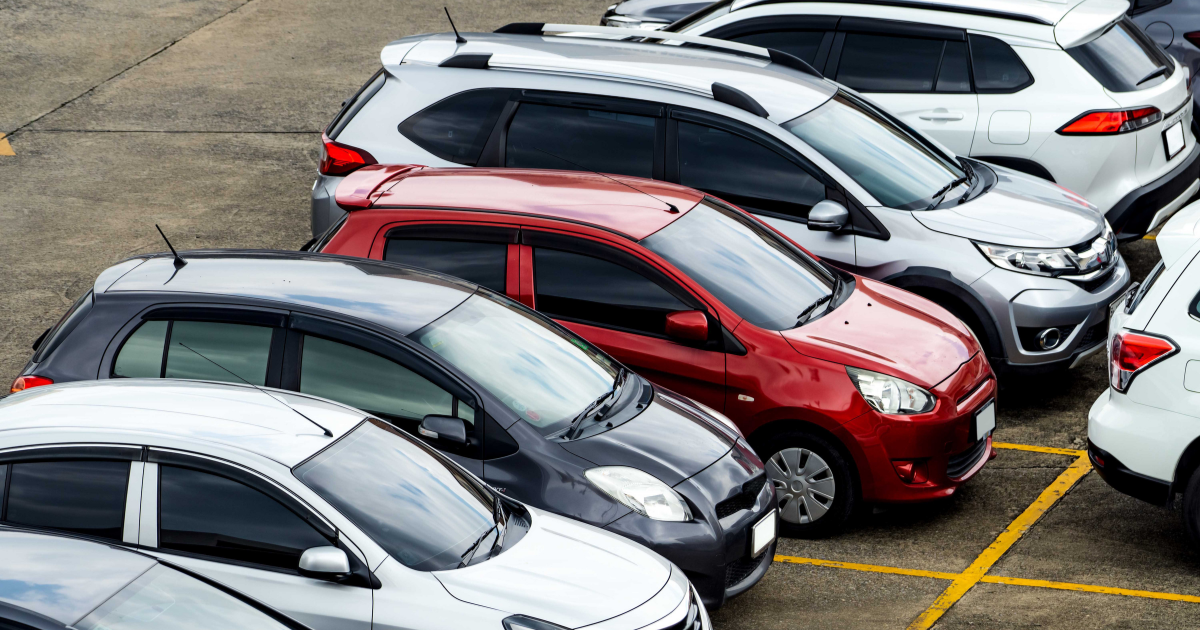
A motor pool is a shared fleet of vehicles that employees can reserve and use when needed, rather than having vehicles permanently assigned to specific drivers or departments.
Users typically:
- Reserve a vehicle
- Use it for their trip or task
- Return it to the pool for the next user
Modern motor pools often function like internal vehicle rental systems, with reservation platforms, usage tracking, and sometimes internal chargeback systems.
This approach allows organizations to serve more users with fewer vehicles.
How Motor Pools Work
A typical motor pool program follows a structured workflow:
1. Vehicle Reservation
Drivers reserve vehicles through a booking platform, fleet management system, or shared calendar.
Reservations usually include:
- date and time
- trip purpose
- vehicle type needed
2. Vehicle Pickup
Drivers retrieve the vehicle from a designated motor pool location or parking area. Some fleets use:
- key lockers
- digital keys
- telematics-based access
3. Vehicle Use
Drivers use the vehicle for official duties.
Mileage, time used, and fuel consumption may be tracked automatically through fleet management software or telematics systems.
4. Vehicle Return
Drivers return the vehicle to the motor pool so it's available for the next reservation. Clear policies help ensure vehicles are:
- fueled
- clean
- ready for use
Why Motor Pools Are Growing in Popularity
Many fleets historically assigned vehicles to individuals or departments, but this model often leads to low utilization and unnecessary vehicle ownership. Motor pools help fleets address several common challenges.
1. Higher Vehicle Utilization
Assigned vehicles often sit idle for large portions of the day or week. Shared vehicles can serve multiple drivers and departments, dramatically increasing usage. Higher utilization means fleets can often reduce the total number of vehicles required.
2. Lower Fleet Capital Costs
Every vehicle removed from a fleet represents significant savings, including:
- purchase or lease costs
- maintenance
- fuel
- insurance
- depreciation
Motor pools allow organizations to delay or eliminate vehicle replacements, reducing capital expenditures.
3. Better Data for Fleet Decisions
Motor pools generate valuable operational data, including:
- reservation patterns
- vehicle usage time
- peak demand periods
- vehicle type demand
Fleet managers can use this data to make data-driven decisions about fleet size and composition.
4. Improved Fleet Flexibility
Motor pools provide access to vehicles without requiring permanent assignments. Departments that only occasionally need vehicles benefit from this flexibility without requiring dedicated assets.
Motor Pool vs Assigned Vehicles
Understanding the difference between these models helps explain why many fleets are transitioning toward shared vehicles.
| Assigned Vehicles | Motor Pool Vehicles |
| Permanently assigned to drivers or departments | Shared among multiple users |
| Often sit idle for long periods | Used throughout the day |
| Harder to measure utilization | Usage is tracked through reservations |
| Larger fleet sizes required | Smaller fleet can serve more users |
Many fleets operate a hybrid model, keeping some specialized vehicles assigned while placing general-use vehicles in a motor pool.
The Role of Motor Pools in Fleet Right-Sizing
Motor pools play a major role in fleet right-sizing, which is the process of ensuring fleets have the correct number and type of vehicles.
One common mistake organizations make is sizing fleets for peak demand days. Instead, fleet managers often size motor pools to meet 80–85% of typical demand, allowing rental vehicles or external solutions to handle rare peak periods.
This approach allows fleets to avoid owning vehicles that are rarely used.
What Types of Vehicles Work Best in a Motor Pool?
Not every vehicle is ideal for shared use. Motor pools typically work best with:
- sedans
- SUVs
- pickup trucks
- light-duty work vehicles
- administrative or inspection vehicles
Specialized equipment or vehicles used daily by a single operator may remain assigned assets. Fleet managers should evaluate:
- usage frequency
- trip patterns
- vehicle type needs
Technology That Supports Motor Pools
Modern motor pools are increasingly supported by fleet management technology. Common tools include:
Reservation Software
Allows drivers to reserve vehicles in advance and ensures availability.
Telematics Systems
Track vehicle location, mileage, and usage patterns.
Digital Key Systems
Allow drivers to unlock vehicles without physical keys.
Fleet Management Platforms
Provide reporting and analytics on utilization, costs, and demand.
Technology helps motor pools operate efficiently and transparently.
How to Start a Motor Pool Program
Fleet managers considering a motor pool can start with a simple pilot program.
Step 1: Identify Underutilized Vehicles
Review utilization data to identify vehicles that are rarely used. To get started, download a free copy of our Fleet Motor Pool Evaluation Worksheet to get a high-level view of what vehicles in your fleet might be optimized in a motor pool.
Step 2: Select Initial Vehicles
Start with a small group of vehicles that multiple departments could share.
Step 3: Establish Policies
Define rules for:
- reservations
- pickup and return
- fueling
- late returns
Step 4: Implement a Reservation System
Even simple tools like shared calendars can work for smaller fleets.
Step 5: Monitor Demand
Track how often vehicles are reserved and adjust the pool size as needed.
Starting small allows fleets to test adoption and refine processes before expanding.
Common Motor Pool Challenges
Motor pools provide major benefits, but they require careful planning. Common challenges include:
Cultural Resistance
Drivers accustomed to assigned vehicles may resist shared systems.
Vehicle Availability
Poor scheduling or insufficient vehicles can cause frustration.
Vehicle Selection
Motor pools must include the right mix of vehicle types. To get started, download a free copy of our Fleet Motor Pool Evaluation Worksheet to get a high-level view of what vehicles in your fleet might be optimized in a motor pool.
Policy Enforcement
Clear expectations ensure vehicles are returned on time and ready for use.
Strong leadership support and clear communication help overcome these challenges.
The Future of Motor Pools in Fleet Management
Motor pools are becoming increasingly important as organizations focus on:
- cost reduction
- sustainability goals
- data-driven fleet management
- operational flexibility
With advances in telematics, reservation software, and digital vehicle access, modern motor pools are easier to manage than ever before. For many organizations, motor pools represent a practical way to improve utilization while maintaining operational readiness.
If you need guidance and support creating a motor pool for your fleet, or you just want to talk to someone who's done it before to get some perspective and advice, schedule a chat with our fleet experts today.
This article was inspired by a recent episode of our podcast. Check out the full episode for even more motor pool tips and tricks: