
Aging Fleet Assets and Supply Chain Constraints: How to Manage Risk, Cost, and Downtime
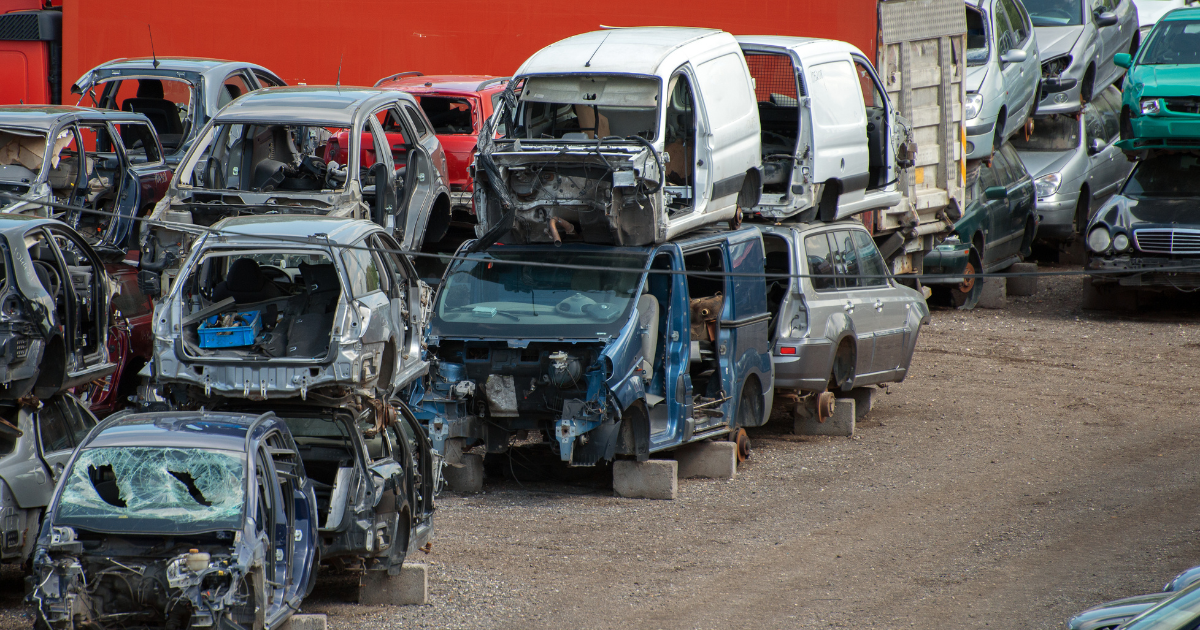
What are aging fleet assets and why are they a problem?
Aging fleet assets are vehicles and equipment that remain in service beyond their optimal replacement lifecycle, often due to budget constraints or supply chain delays.
While extending asset life may seem cost-effective in the short term, it typically leads to:
- Higher maintenance costs
- Increased downtime
- Greater risk of failure
- Reduced service reliability
For public sector fleets, this doesn’t just impact operations, but the whole community.
How supply chain constraints are making fleet management harder
Over the past several years, supply chain issues have made it more difficult to:
- Procure new vehicles
- Source critical replacement parts
- Maintain consistent inventory levels
Even when budgets are approved, fleets are often forced to wait.
The result: fleets are keeping assets longer than planned and repairing vehicles more frequently with fewer available parts.
The combined impact: more pressure, more risk
When aging assets and supply chain constraints collide, fleets face a compounding problem:
- Older vehicles require more frequent repairs
- Parts delays extend downtime
- Technicians spend more time on complex fixes
- Preventive maintenance gets disrupted
This creates a cycle of reactive work that’s hard to break.
Key risks of operating an aging fleet
If not managed properly, aging fleets introduce significant operational and financial risks:
1. Rising maintenance costs
As assets age, repair frequency and severity increase. Costs become less predictable and harder to control.
2. Increased downtime
Longer repair times and parts delays mean vehicles are out of service longer, impacting availability.
3. Safety and compliance exposure
Older assets are more prone to failure, increasing risk for operators and the public.
4. Strain on technicians
Complex repairs and parts shortages increase workload and frustration for already limited staff.
5. Budget inefficiency
Delaying replacement often leads to higher total cost of ownership over time.
Why traditional fleet planning breaks down
Most fleets already have replacement plans, but those plans are often:
- Based on age or mileage alone
- Not updated with real-time maintenance cost data
- Disconnected from parts availability and supply chain realities
- Difficult to explain or defend to leadership
When conditions change, plans fall apart.
How to manage aging fleet assets effectively
To navigate aging assets and supply chain constraints, fleets need a more data-driven, flexible approach.
1. Use lifecycle cost data to guide replacement decisions
Don’t rely on age alone.
Track:
- Maintenance cost trends
- Cost per mile or hour
- Downtime frequency
This helps identify when an asset becomes more expensive to keep than replace.
2. Prioritize assets based on risk and criticality
Not all assets are equal. Focus on:
- Vehicles critical to essential services
- High-cost or high-failure assets
- Equipment with safety implications
This ensures limited resources are used where they matter most.
3. Improve parts and inventory visibility
Supply chain issues make inventory management more important than ever.
Fleets should:
- Track parts usage and demand trends
- Maintain minimum stock levels for critical components
- Identify alternative sourcing options when possible
Better visibility reduces delays and surprises.
4. Strengthen preventive maintenance (PM) discipline
PM becomes even more important as assets age.
Consistent PM helps:
- Reduce unexpected failures
- Extend asset life safely
- Improve planning and scheduling
But PMs only work if hey're tracked and completed consistently.
5. Build flexible, multi-year replacement plans
Instead of static plans, fleets need adaptable strategies.
This includes:
- Scenario planning based on budget and supply conditions
- Adjusting timelines based on asset performance data
- Clearly communicating trade-offs to leadership
How to explain aging fleet challenges to leadership
One of the hardest parts of managing an aging fleet is getting buy-in.
To do that, fleet leaders need to translate operational issues into business impact.
Instead of saying:
“We need to replace more vehicles.”
Show:
- Maintenance cost increases over time
- Downtime trends impacting service delivery
- Cost comparison: repair vs replace
- Risk exposure tied to aging assets
This turns a request into a defensible decision.
What happens when fleets get this right
Fleets that effectively manage aging assets and supply chain challenges see:
- Lower total cost of ownership
- Reduced downtime and service disruptions
- Better use of technician time
- More predictable budgeting
- Stronger alignment with leadership
Most importantly, they regain control.
A simple test for your fleet
Do you know:
- Which assets are costing you the most to maintain?
- How long critical vehicles are out of service due to parts delays?
- The financial impact of delaying replacement by one year?
If not, you’re likely operating with fleet blind spots.
How RTA Fleet360 helps manage aging fleets and supply chain challenges
RTA Fleet360 gives fleet leaders the visibility and control needed to manage aging assets in real-world conditions.
With RTA Fleet360, you can:
- Track lifecycle costs and asset performance in real time
- Monitor maintenance trends and identify high-risk vehicles
- Improve parts inventory visibility and reduce delays
- Strengthen PM compliance through embedded workflows
- Build defensible replacement plans backed by real data
Instead of reacting to breakdowns and shortages, you can plan with confidence.
Build a fleet that’s reliable, even under pressure
Aging assets and supply chain constraints aren’t going away anytime soon.
But fleets that invest in visibility, planning, and discipline can still operate effectively.
You don’t need perfect conditions, just clear data and a system that helps you act on it.
Want to improve how you manage aging fleet assets?
Request a demo of RTA Fleet360 and see how your fleet can reduce risk, control costs, and make smarter replacement decisions, even in a constrained environment.
This article was inspired by a recent episode of our podcast. Check out the full episode for even more tips and tricks: